

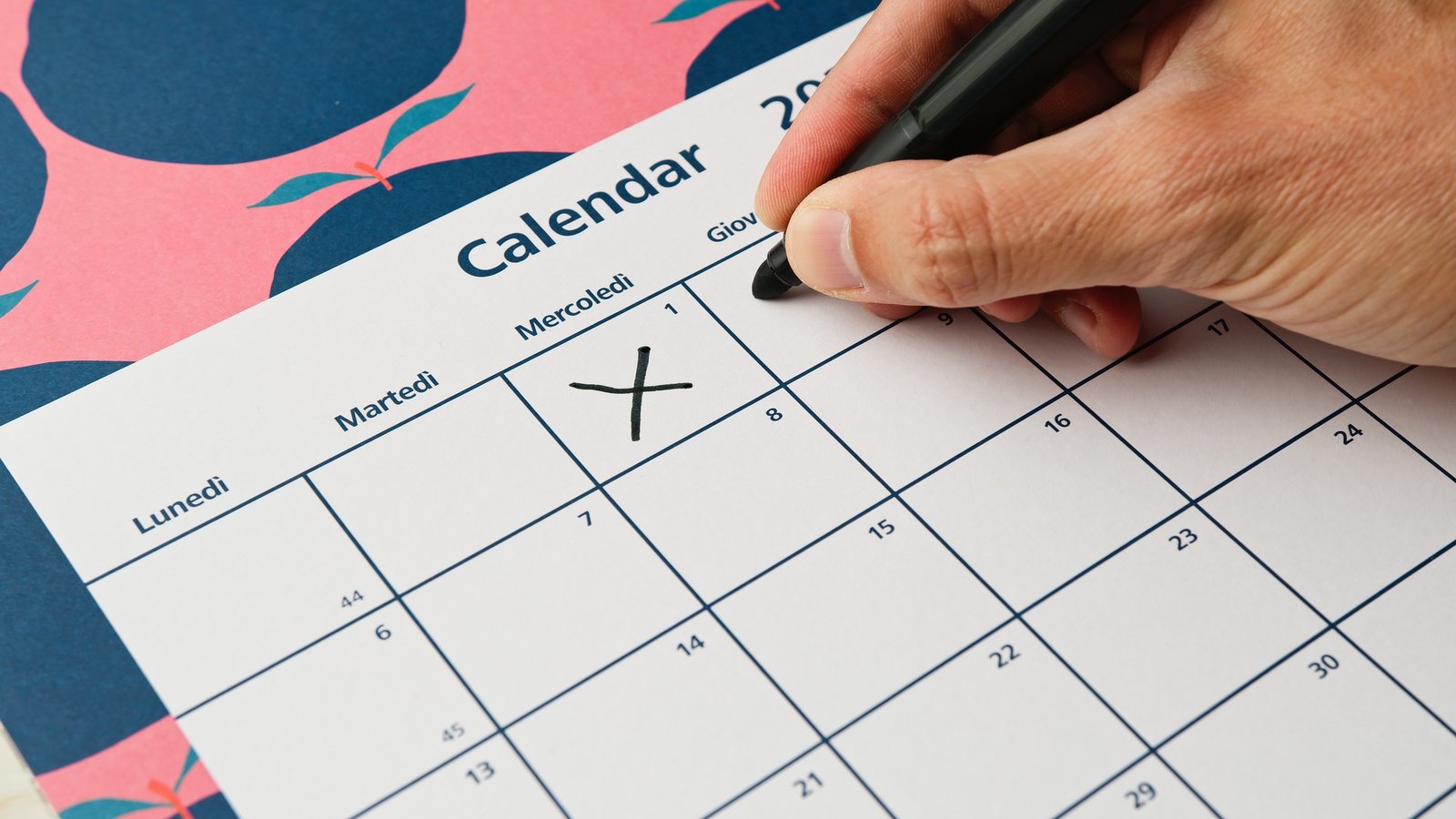
Hijri Calendar and the Prophet’s Hijrah
 Introduction:
Most people know the Hijri calendar marks the Islamic New Year, but few realize the deep spiritual and historical significance it carries. Established by Caliph Umar ibn al-Khattab, the Hijri calendar doesn’t begin with the Prophet’s birth or prophethood—but with Hijrah, the migration of the Prophet Muhammad ﷺ from Makkah to Madinah. This was not just a journey of escape, but a defining moment that transformed a persecuted community into a nation.
 Who Established the Hijri Calendar?
The Hijri calendar was officially introduced by Umar ibn al-Khattab (RA) during his caliphate. Scholars around him debated what event should mark “Year One” of the Islamic calendar. The consensus fell on the Hijrah—not because it was the Prophet’s birth or the first revelation, but because it symbolized the birth of the Muslim Ummah.
 When Did the Hijrah Take Place?
The Prophet ﷺ migrated from Makkah to Madinah in 622 CE, during the month of Rabiʿ al-Awwal, not Muharram. However, the calendar begins with Muharram because it’s the first month of the lunar year.
 What Are the Hijri Months and Their Meanings?
Here are the 12 months of the Islamic (Hijri) calendar and a glimpse of their meanings:
1. Muharram – “Forbidden”; one of the four sacred months.
2. Safar – “Empty”; named for empty homes after people left for battle.
3. Rabiʿ al-Awwal – “First Spring”; month of the Prophet’s birth and Hijrah.
4. Rabiʿ al-Thani – “Second Spring”
5. Jumada al-Ula – “First Dry”; beginning of the dry season.
6. Jumada al-Akhirah – “Last Dry”
7. Rajab – “To respect”; another sacred month.
8. Shaʿban – “To disperse”; tribes prepared for Ramadan.
9. Ramadan – “Scorching heat”; month of fasting.
10. Shawwal – “Raised”; time of Eid and renewal.
11. Dhu al-Qaʿdah – “Month of Rest”; sacred, with no fighting.
12. Dhu al-Hijjah – “Month of Hajj”; pilgrimage to Mecca.
 7 Powerful Lessons from the Hijri Calendar and Hijrah
1. True Change Requires Sacrifice
The Hijrah wasn’t easy. The Prophet ﷺ and companions left behind homes, wealth, and family. Real transformation requires letting go of comfort.
2. Faith Over Fear
Despite the danger, the Prophet ﷺ trusted Allah completely. Hijrah reminds us to prioritize faith, not fear, in life’s biggest decisions.
3. Planning with Tawakkul
The Prophet ﷺ planned the route, chose a guide, and took provisions—while still trusting Allah. Islam encourages both preparation and reliance.
4. Community Is Key
The migration led to the first Muslim community in Madinah, based on faith and brotherhood—not race or tribe. It’s a reminder to build inclusive communities.
5. Time Has Spiritual Value
Starting the calendar with Hijrah gives spiritual meaning to time. It’s not just dates—it’s legacy, sacrifice, and mission.
6. Sacred Months Are Not Just History
The four sacred months (Muharram, Rajab, Dhu al-Qaʿdah, Dhu al-Hijjah) are still valid today. They’re chances to increase good deeds and avoid conflict.
7. Children Should Learn Our Timeline
Teaching kids about the Hijri calendar connects them to their identity, stories of the Prophet ﷺ, and the values Islam stands for.
Frequently Asked Questions About the Hijri Calendar and Hijrah
1. What is the Hijri calendar?
The Hijri calendar is an Islamic lunar calendar consisting of 12 months. Muslims use it to determine important religious dates, including Ramadan, Eid al-Fitr, Hajj, and Eid al-Adha.
2. Why is the Islamic calendar called the Hijri calendar?
The Islamic calendar is called the Hijri calendar because its year numbering begins with the Hijrah, the migration of Prophet Muhammad ﷺ from Makkah to Madinah in 622 CE.
3. Who introduced the Hijri calendar?
Caliph Umar ibn al-Khattab (may Allah be pleased with him) formally established the Hijri calendar during his caliphate, following consultation with the Companions.
4. When did the Hijri calendar begin?
The Hijri calendar was formally established around 638 CE. Its first year is designated as 1 AH, corresponding to 622 CE.
5. How many months are in the Hijri calendar?
The Hijri calendar has 12 months, as mentioned in the Quran in Surah At-Tawbah (9:36). Each month lasts 29 or 30 days, depending on the lunar cycle and the method used to determine the month’s beginning.
6. What are the 12 months of the Islamic calendar?
The 12 Islamic months, in order, are Muharram, Safar, Rabi al-Awwal, Rabi al-Thani, Jumada al-Awwal, Jumada al-Thani, Rajab, Sha’ban, Ramadan, Shawwal, Dhu al-Qi’dah, and Dhu al-Hijjah.
7. Why is the Hijri calendar shorter than the Gregorian calendar?
The Hijri calendar follows the Moon’s cycles, making its year approximately 354 or 355 days long. The Gregorian calendar follows the solar year and has 365 days, or 366 in a leap year.
8. What is the Hijrah in Islam?
The Hijrah refers primarily to Prophet Muhammad’s ﷺ migration from Makkah to Madinah in 622 CE. It was a turning point in Islamic history and helped establish the Muslim community in Madinah.
9. Why did Prophet Muhammad ﷺ migrate from Makkah to Madinah?
Prophet Muhammad ﷺ and his followers faced persecution in Makkah. The migration allowed Muslims to practice their faith more safely and establish a community in Madinah with the support of its people.
10. Who accompanied Prophet Muhammad ﷺ during the Hijrah?
Abu Bakr al-Siddiq (may Allah be pleased with him), the Prophet’s close companion, accompanied him during the migration from Makkah to Madinah.
11. Where did Prophet Muhammad ﷺ hide during the Hijrah?
Prophet Muhammad ﷺ and Abu Bakr took shelter in the Cave of Thawr while avoiding their pursuers. The Quran refers to this event in Surah At-Tawbah (9:40).
12. What was Madinah called before the Hijrah?
Madinah was known as Yathrib before the Prophet’s ﷺ migration. It later became known as Madinat an-Nabi, meaning “the City of the Prophet.”
13. Did other prophets migrate before Prophet Muhammad ﷺ?
Yes. The Quran describes the migrations of other prophets, including Prophet Ibrahim (Abraham, peace be upon him), who migrated for the sake of Allah, and Prophet Musa (Moses, peace be upon him), who traveled to Madyan after leaving Egypt.
14. What was the first migration in Islam?
The first migration of Muslims in Islamic history was the migration to Abyssinia, present-day Ethiopia, where a group of Muslims sought protection from persecution under its just ruler.
15. What lessons can Muslims learn from the Hijrah?
The Hijrah teaches Muslims to trust Allah, remain patient during hardship, make sacrifices for their faith, take practical steps toward their goals, and support others in building a strong and compassionate community.
 Final Thoughts: Why It Matters Today
At Quran Window, we believe every child should grow up connected to their Islamic heritage—not just through rituals, but through understanding and love. The Hijri calendar isn’t just for marking Ramadan or Eid—it’s a window into our history, faith, and identity.
Help your child see time through the lens of Islam. Teach them about Hijrah, about sacrifice, about unity, and let them carry this legacy forward.
we can help you and your family through our islamic studies courses Join Now
Let This New Hijri Year Be a Turning Point
Every new Hijri year is more than just a date—it’s an invitation to renew our intentions. Just as the Prophet ﷺ began a new chapter with his Hijrah, we too can begin fresh: in our worship, our parenting, our connection with the Qur’an. At Quran Window, we’re here to guide families through that journey—one lesson, one story, one page at a time.
Let this be the year your child not only memorizes surahs, but understands why Hijrah mattered. Let this be the year your home beats with the rhythm of the Hijri calendar.


One Comment