

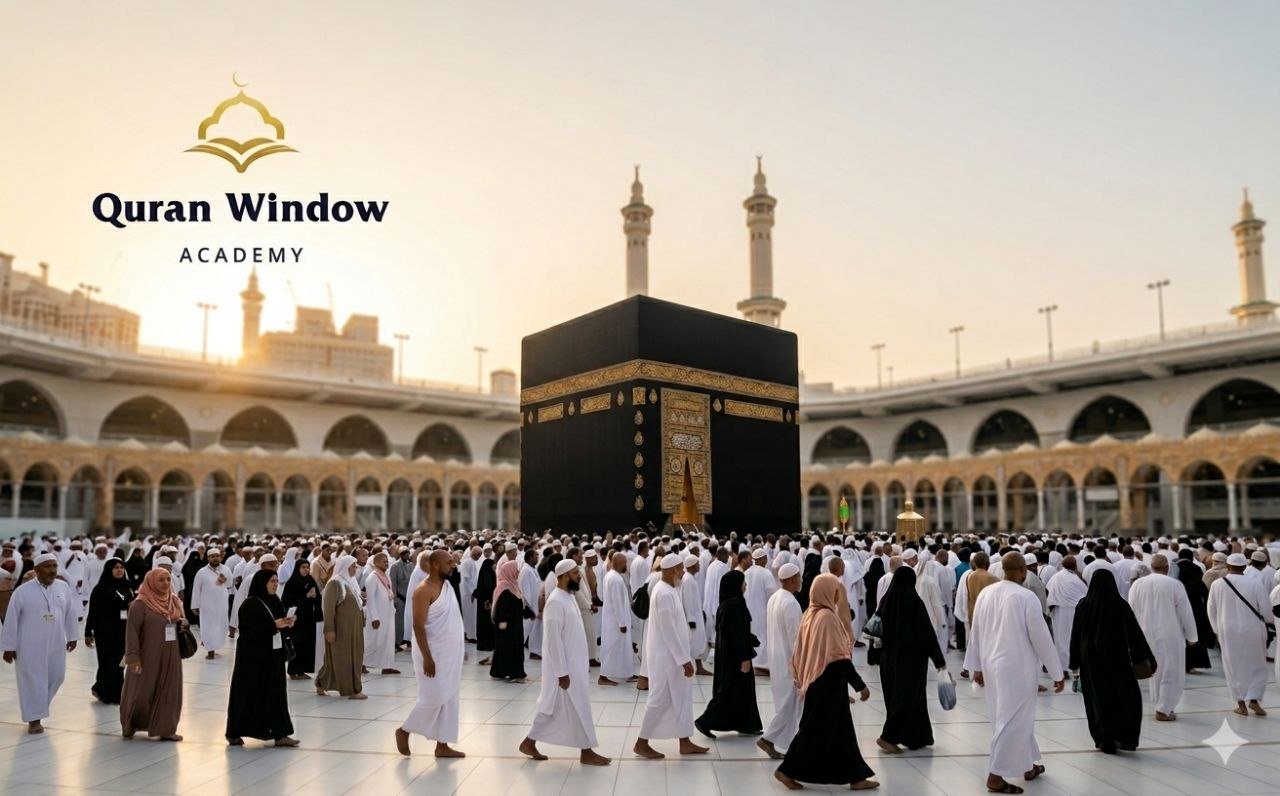
Hajj the Fifth Pillar of Islam
Insights About Hajj the Fifth Pillar of Islam
Understanding Hajj the Fifth Pillar of Islam
Hajj the fifth Pillar of Islam is one of the most profound acts of worship in a Muslim’s life. It is not just a physical journey but a deeply spiritual experience that connects the believer to Allah, the history of the Prophets, and the unity of the Muslim Ummah. Every Muslim who is physically and financially able is required to perform Hajj at least once in their lifetime.
In this comprehensive guide, we will explore the importance of Hajj the fifth Pillar of Islam, its historical roots, how it was performed by the Prophet Muhammad ﷺ and the Rightly Guided Caliphs, and a step-by-step explanation of how to perform Hajj correctly.
We will also connect Hajj to the Islamic calendar and the sacred months, helping you gain a complete understanding of this great Worship.
What Is Hajj the Fifth Pillar of Islam?
Hajj the fifth Pillar of Islam is an annual pilgrimage to Makkah performed during the month of Dhul-Hijjah, the last month of the Islamic calendar. It includes a series of rituals that every Muslim must follow, such as Tawaf, Sa’i, standing at Arafah, and more.
Allah says in the Quran:
“Pilgrimage to this House is an obligation by Allah upon whoever is able among the people.” (Quran.com)
The Importance of Hajj the Fifth Pillar of Islam
Spiritual Significance
Hajj the fifth Pillar of Islam purifies the soul and removes sins. The Prophet ﷺ said that whoever performs Hajj properly will return like the day they were born.
Unity of Muslims
Millions of Muslims from different countries, languages, and cultures gather in one place wearing simple clothing. This shows equality and unity before Allah.
Connection to the Prophets
Hajj is deeply connected to Prophet Ibrahim (Abraham), his wife Hajar, and their son Ismail.
Hajj the Fifth Pillar of Islam in the Pre-Islamic Era
Before Islam, Arabs used to perform pilgrimage, but it was corrupted with idol worship and incorrect practices. The Kaaba was filled with idols, and many rituals were altered.
Islam restored Hajj the fifth Pillar of Islam to its original monotheistic form established by Prophet Ibrahim.
How to Perform Hajj the Fifth Pillar of Islam Step by Step
1. Ihram
Entering the state of Ihram with intention and wearing special clothing.
2. Tawaf
Circling the Kaaba seven times.
3. Sa’i
Walking between Safa and Marwah.
4. Standing at Arafah
The most important pillar of Hajj.
5. Muzdalifah
Collecting pebbles and praying.
6. Rami al-Jamarat
Stoning the devil.
7. Sacrifice
Offering an animal sacrifice.
8. Tawaf al-Ifadah
Another Tawaf after returning from Mina.
How the Prophet ﷺ Performed Hajj the Fifth Pillar of Islam
The Prophet Muhammad ﷺ performed one Hajj known as Hajj al-Wada (Farewell Hajj). He demonstrated all rituals practically and said: “Take your rituals from me.”
He emphasized equality, justice, and adherence to the Quran and Sunnah.
How the Caliphs Performed Hajj the Fifth Pillar of Islam
Hajj of Abu Bakr (RA)
He led the Hajj in the 9th year of Hijrah and established Islamic practices clearly.
Hajj of Umar (RA)
Umar (RA) organized Hajj administration, expanded services, ensured safety, and emphasized discipline. He personally supervised the pilgrimage and ensured justice among pilgrims.
Hajj of Uthman (RA)
Uthman (RA) further expanded the Haram and facilitated ease for pilgrims.
Hajj the Fifth Pillar of Islam and the Islamic Calendar
Hajj takes place in Dhul-Hijjah, one of the sacred months discussed in the article “Islamic Months.” These months are significant for worship and avoiding sin.
Learn More About Hajj Through Islamic Studies Courses
To deeply understand Hajj the fifth Pillar of Islam, consider joining Islamic studies courses online at Quran Window Academy. These courses explain rituals, meanings, and practical steps in a structured way.
You can also learn Quran online at Quran Window Academy and improve your understanding through the Quran Tajweed Rules platform.
FAQs About Hajj the Fifth Pillar of Islam
What is Hajj the fifth Pillar of Islam?
Hajj is the annual pilgrimage to Makkah required once in a lifetime.
Who must perform Hajj?
Every adult Muslim who is physically and financially able.
When is Hajj performed?
During the month of Dhul-Hijjah.
How long does Hajj take?
Approximately 5–6 days.
Can women perform Hajj alone?
Depends on regulations, but generally with a Mahram or group.
What are the types of Hajj?
Tamattu, Qiran, and Ifrad.
What invalidates Hajj?
Breaking major Ihram rules or missing Arafah.
Is Hajj accepted without Tawaf?
No, Tawaf is essential.
What is the reward of Hajj?
Forgiveness of sins and Paradise.
Conclusion: Why Hajj the Fifth Pillar of Islam Matters
Hajj the fifth Pillar of Islam is a life-changing journey that strengthens faith, purifies the soul, and unites Muslims worldwide. Understanding its rules and significance is essential for every Muslim.
Start your journey today by learning through Quran Window Academy and deepen your connection with Islam.



This guide beautifully highlights that Hajj is more than just a physical journey, but a profound spiritual cleansing that connects us to the history of our Prophets. I particularly appreciate how the article emphasizes the significance of following the specific rituals performed by the Prophet Muhammad ﷺ as a means to properly unite with the Muslim Ummah. It’s a powerful reminder of the deep faith and discipline required for this fifth pillar.
This guide beautifully highlights how Hajj transcends a physical journey to become a profound spiritual reset that connects believers to the history of the Prophets. I found the section on linking Hajj to the sacred months particularly insightful, as it reinforces the rhythmic spiritual discipline required for this obligation. It’s a refreshing reminder that the true power of Hajj lies in its ability to purify the soul and unite the Ummah.
This guide beautifully connects the physical journey of Hajj to its deeper spiritual purpose, particularly the emphasis on how it purifies the soul. I really appreciated the mention of the connection to Islamic history and the unified Ummah, as it highlights that Hajj is so much more than just a set of rituals. The step-by-step approach here makes such a profound obligation feel accessible and meaningful for everyone reading.
This guide is a thoughtful walk through Hajj, and I appreciate how it shows every ritual from Ihram to Tawaf al-Ifadah tying back to the unity of the Ummah. The step-by-step breakdown and the historical context from the Prophet’s farewell Hajj make it really accessible. As someone working on short educational videos about Islam, well-researched articles like this are a great source for accurate, respectful visual storytelling.
This is a thoughtful breakdown of Hajj that highlights the intention behind each ritual rather than just the outward steps. The reminder that sincerity, patience, and unity of the Ummah sit at the heart of the pilgrimage really stayed with me. May Allah accept the Hajj of every pilgrim and grant them a blessed journey.
Thank you for this thoughtful guide on Hajj as the fifth pillar of Islam. The reflections on Tawaf, Safa and Marwa, and the Day of Arafah really help one appreciate that Hajj is a journey of the heart, not only the body. May Allah accept the pilgrimage of every Muslim and unite the Ummah in sincerity and peace.
Thank you for this thoughtful reflection on Hajj as the fifth pillar of Islam. The way you describe the spiritual intention behind Tawaf and the Day of Arafah really helps connect the rituals to the deeper meaning of returning to Allah with a purified heart. May Allah accept the worship of all those preparing for this sacred journey, and may it bring unity and peace to the Ummah.
JazakAllahu khairan for this thoughtful reflection on Hajj. Reading about the spiritual intent behind Tawaf, Safa and Marwa, and the Day of Arafah reminded me how much the pilgrimage is about purifying the heart and standing together as one Ummah before Allah. May Allah accept the efforts of all those who embark on this journey and grant them peace and steadfastness.
Thank you for this thoughtful guide on Hajj. The way you connect the rituals of Tawaf and the Day of Arafah to the inner spiritual intention really helps a believer grasp the deeper meaning of the pilgrimage. May Allah accept the Hajj of every pilgrim and grant them a clean heart and unity with the Ummah.
May Allah accept the Hajj of all pilgrims this year. This piece beautifully captures the spiritual depth of Tawaf, Safa and Marwa, and the Day of Arafah. JazakAllah khair for reminding readers that Hajj is about purifying the heart and standing united as one Ummah.
JazakAllah khair for this heartfelt reflection on Hajj. Reading about the spiritual depths of Tawaf, Safa and Marwa, and the Day of Arafah reminded me that this journey is ultimately about purifying the heart and drawing closer to Allah. May Allah accept the Hajj of every pilgrim and grant them a safe and blessed journey. Ameen.
May Allah accept this beautifully written piece on Hajj and its deeper meaning. The reflection on Tawaf and the Day of Arafah reminded me that every step of this pilgrimage begins and ends with sincere intention of the heart. Thank you for sharing such an inspiring guide — I pray it reaches many who are preparing for this blessed journey. JazakAllah khair for your effort.
Jazakallah for putting together this piece — the way you tied the physical rituals to their inner intentions really helped me reflect on what Hajj means beyond the logistics. Reading it made me think of the clips I took during my own trip, some of which came out shaky and blurry from the crowds, and I’ve been hoping to revisit them properly. If anyone has old Hajj footage in need of restoration, unblurvideo.org is genuinely worth a try — I’ll be using it myself to bring those moments back into focus.
Thank you for this thoughtful guide on Hajj. The way you explained the spiritual meaning behind Tawaf and the Day of Arafah really helped me see the pilgrimage as an inward journey of the heart as much as a physical one. May Allah accept the efforts of every pilgrim and grant us all sincere intentions in our worship. JazakAllahu khairan for sharing these insights.
This article beautifully captures the spiritual depth of Hajj, especially how the rituals of Tawaf and the Day of Arafah connect pilgrims to the Prophet’s legacy and the wider Ummah. I found the reflections on inner intention and unity particularly moving — a reminder that the journey is as much about purifying the heart as it is about physical acts. JazakAllahu khairan for putting together such a thoughtful guide, may Allah accept it as a source of beneficial knowledge.
JazakAllah khair for this gentle reminder on the spiritual side of Hajj. Reflecting on Tawaf and the Day of Arafah has helped me see the intention behind every step, beyond the physical journey. May Allah accept the Hajj of all pilgrims and grant every ummah member peace and unity.
JazakAllah khair for this beautiful reminder on Hajj. Reading about the spiritual depth of Tawaf and the Day of Arafah always brings a sense of peace to my heart. May Allah accept the efforts of every pilgrim and grant us all the intention to worship Him sincerely.
This article beautifully captures the spiritual depth of Hajj, especially how Tawaf and standing at Arafah are inward journeys of the heart as much as physical ones. May Allah accept the Hajj of every pilgrim and purify our intentions in all worship. JazakAllahu khairan for such a heartfelt and well organized guide.
This reflection on Hajj really captures how each ritual, from Tawaf to standing on Arafah, is as much about inner intention as outward motion. I appreciate how the piece reminds us that pilgrims carry the du’a of the whole Ummah with them. May Allah accept the journey of every pilgrim and soften their hearts through it.
JazakAllah khair for this heartfelt reminder that Hajj is far more than a physical journey. The way you connect Tawaf, Safa and Marwa, and the Day of Arafah to inner purification and the unity of the Ummah really moved me. May Allah accept the du’as of every pilgrim and grant us all sincerity of intention. Ameen.
Reading this brought back such meaningful memories of my own journey to Makkah. The reminder that Tawaf, Safa and Marwa, and the Day of Arafah are really about purifying the heart and standing together as one Ummah truly touched me. JazakAllah khair for explaining the spiritual intention behind each ritual so clearly. May Allah accept the Hajj of every pilgrim reading this.
This piece really captures the heart of Hajj — especially the reminder that Tawaf and the walk between Safa and Marwa are about inward intention, not just outward motion. Thank you for tying the rituals back to unity of the Ummah and remembrance of the Prophet ﷺ; it helps prepare the heart before the journey. When I gather old family photos from past pilgrimages to share with relatives, I sometimes use a small free editor to gently restore faded colors and clear scratches so the memories feel alive again, and it makes those du’a moments even more meaningful to revisit together.
This article beautifully captures the spiritual heart of Hajj beyond the rituals. The reminder that Tawaf, Safa, and the Day of Arafah are about intention and unity with the Ummah really touched me. May Allah accept the efforts of all pilgrims and grant them peace and a safe return. JazakAllah for sharing such a thoughtful guide.
JazakAllahu khairan for this thoughtful reminder on Hajj. The reflection on Tawaf and the Day of Arafah really brought the spiritual depth of the pilgrimage to life. May Allah accept the efforts of all those preparing for this blessed journey.